The Rise of AI-Powered Cyberattacks: How Hackers are Leveraging Artificial Intelligence
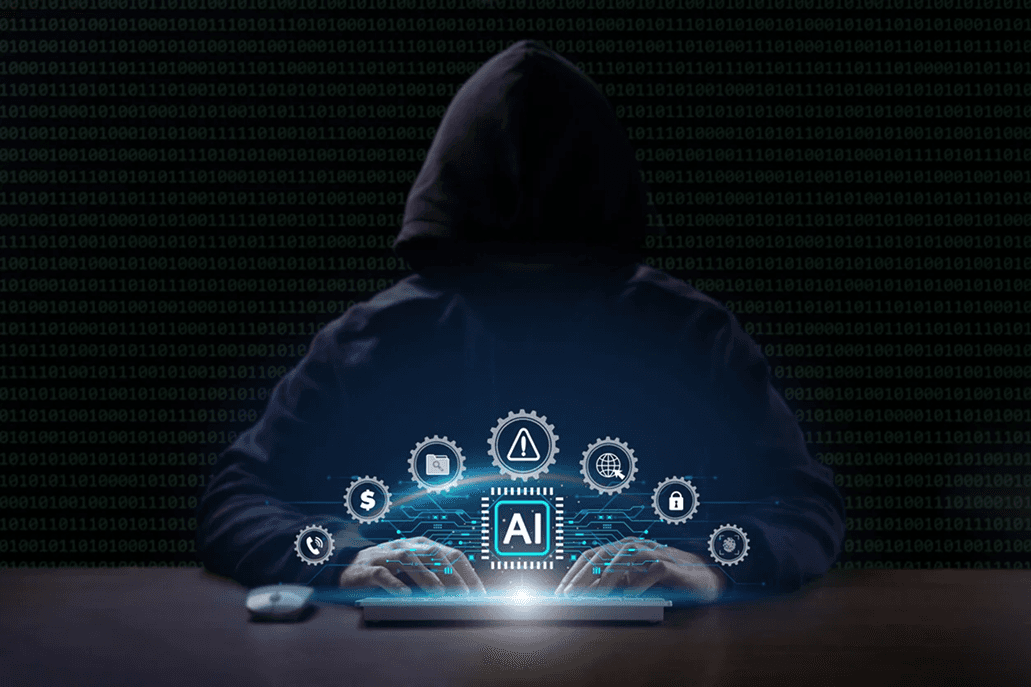
In recent years, the cybersecurity landscape has been evolving rapidly, with artificial intelligence (AI) playing an increasingly prominent role in both defending and attacking digital systems. While AI has been a game-changer for enhancing security measures, its dark side is becoming equally concerning. Cybercriminals and hackers are now leveraging AI-powered tools to launch more sophisticated, efficient, and scalable attacks, raising the stakes for organizations worldwide.
In this blog post, we’ll explore how AI is fueling the rise of cyberattacks, the types of attacks that are benefiting from AI, and how businesses can defend themselves against these evolving threats.
Understanding the Role of AI in Cybersecurity
Before diving into how AI is enabling cyberattacks, it’s essential to understand how AI is used in cybersecurity defense. Traditionally, cybersecurity relied heavily on signature-based detection methods, which would only detect known threats. However, AI and machine learning (ML) algorithms can analyze vast amounts of data, identify patterns, and predict potential threats in real time.
AI in cybersecurity helps:
- Automate threat detection and response
- Analyze behavior patterns to detect anomalies
- Conduct predictive threat modeling
- Improve incident response times by automating processes
While these advancements have significantly improved defense mechanisms, they’ve also made their way into the hands of cybercriminals, leading to the rise of AI-powered cyberattacks.
How Hackers Are Using AI to Launch Cyberattacks
AI is becoming a tool of choice for cybercriminals, as it enables them to create highly targeted, automated, and scalable attacks. Here’s a look at some of the most notable ways hackers are using AI in cyberattacks:
1. Automating Phishing Attacks
Phishing is one of the most common methods for hackers to gain access to sensitive data like login credentials, financial information, and personally identifiable information (PII). Traditionally, phishing attacks were largely manual, requiring attackers to craft individual deceptive emails.
With AI, cybercriminals can automate the process of creating highly personalized and convincing phishing emails. By leveraging natural language processing (NLP), AI tools can craft emails that mimic the language and tone of legitimate communications from known brands, making them more difficult to spot. Additionally, AI can be used to scrape social media and other platforms to gather personal information about targets, enabling attackers to tailor phishing emails to specific individuals or organizations.
Real-world Impact:
In 2020, it was reported that AI-driven phishing emails were responsible for a significant increase in successful attacks, bypassing traditional email filters and tricking users into revealing their credentials.
2. Adapting to Security Measures: AI-Powered Malware
AI can be used to design malware that is capable of adapting to a victim's security systems. Known as AI-driven malware, this type of attack can analyze the security defenses in place, learn from them, and modify its behavior to avoid detection. By continuously evolving, AI-powered malware makes it more difficult for traditional antivirus software to identify and eliminate threats.
Example:
AI-enabled malware can adapt to sandbox environments (a common method used by security systems to isolate and analyze threats), rendering security tools ineffective. Instead of following predictable patterns, this malware can alter its behavior to appear harmless during analysis, only to activate its malicious payload once it’s deployed in a real environment.
3. Brute Force Attacks with AI
Brute force attacks, in which hackers try countless password combinations until they find the correct one, are no longer a simple matter of guessing. With AI, hackers can accelerate this process significantly by using machine learning algorithms to analyze patterns in user passwords or cryptographic hashes, making password cracking faster and more efficient.
AI can even be employed to conduct "intelligent" brute-force attacks, where it uses a database of leaked passwords or commonly used phrases, optimizing the attack by learning from previous attempts. This makes AI-powered brute-force attacks more successful and harder to detect.
Real-world Impact:
In 2019, a report revealed that AI-powered tools were capable of cracking 10-character passwords in just a few hours, a task that would have taken traditional methods days or weeks to achieve.
4. Deepfake Technology in Social Engineering
Deepfake technology, which uses AI to create hyper-realistic fake videos, audio, and images, is gaining traction among cybercriminals as a tool for social engineering attacks. Hackers are using deepfakes to impersonate high-level executives, co-workers, or clients, leading to fraud, data theft, or unauthorized access to sensitive systems.
For example, hackers might create a deepfake video of a CEO asking an employee to wire funds to a specific account. These AI-generated visuals are often so realistic that employees are less likely to question their authenticity.
Real-world Impact:
In 2019, a hacker used deepfake audio to impersonate the CEO of a UK-based energy company, convincing an employee to transfer $243,000 to a fraudulent account.
5. AI for Botnet Management
Botnets, networks of compromised devices that are controlled remotely, have long been used to conduct distributed denial-of-service (DDoS) attacks and distribute malware. AI has made botnets even more dangerous, as it enables these networks to operate more efficiently and autonomously.
AI-driven botnets can self-optimize by analyzing patterns in attack traffic and adjusting their behavior to avoid detection. Additionally, AI can help bots scale faster by controlling larger numbers of infected devices, thereby enabling more potent DDoS attacks.
Example:
In a typical DDoS attack, hackers might direct thousands or even millions of devices to flood a target server with traffic, causing it to crash. AI allows attackers to dynamically adjust the botnet’s tactics, ensuring that the attack continues even if defenses are strengthened or mitigated.
How Can Organizations Defend Against AI-Powered Cyberattacks?
Given the rising threat of AI-driven cyberattacks, organizations must adapt their cybersecurity strategies to defend against these evolving threats. Here are some essential steps that businesses can take:
1. Invest in AI-Driven Security Solutions
AI can be used not only for offensive purposes but also for defense. AI-driven security tools can detect unusual behavior, identify threats, and respond in real time. Organizations should invest in AI-powered intrusion detection systems (IDS) and behavioral analytics that can recognize patterns typical of AI-powered attacks.
2. Implement Multi-Factor Authentication (MFA)
To defend against AI-powered brute-force and phishing attacks, organizations should enforce multi-factor authentication (MFA) across all systems. This additional layer of security makes it much harder for attackers to gain unauthorized access to sensitive systems.
3. Regularly Update and Patch Systems
AI-driven malware and botnets are often able to exploit known vulnerabilities in outdated systems. Regular software updates and patching are critical in closing these security gaps and minimizing the potential for exploitation.
4. Employee Awareness and Training
Human error is one of the leading causes of security breaches. Regular training on how to spot phishing emails, identify suspicious behavior, and use security best practices can help reduce the risk of successful social engineering and phishing attacks.
5. Conduct Regular Security Audits
Frequent vulnerability assessments and penetration testing are essential in identifying weak points in your systems and defenses. With cybercriminals continuously adapting, it’s critical to stay ahead of new attack vectors.
Conclusion: Navigating the Future of AI-Powered Cybersecurity
The rise of AI-powered cyberattacks marks a new chapter in the ever-evolving cybersecurity landscape. As hackers become more sophisticated, organizations must adapt by integrating AI into their defense mechanisms and strengthening their security posture.
ProTechmanize, a leader in cybersecurity, offers advanced threat detection, penetration testing, and vulnerability assessments that leverage cutting-edge technologies to keep your business safe from evolving AI-powered threats. Stay ahead of the curve and safeguard your digital assets today with the help of our expert cybersecurity solutions.
February 18, 2025
CategoryResearch